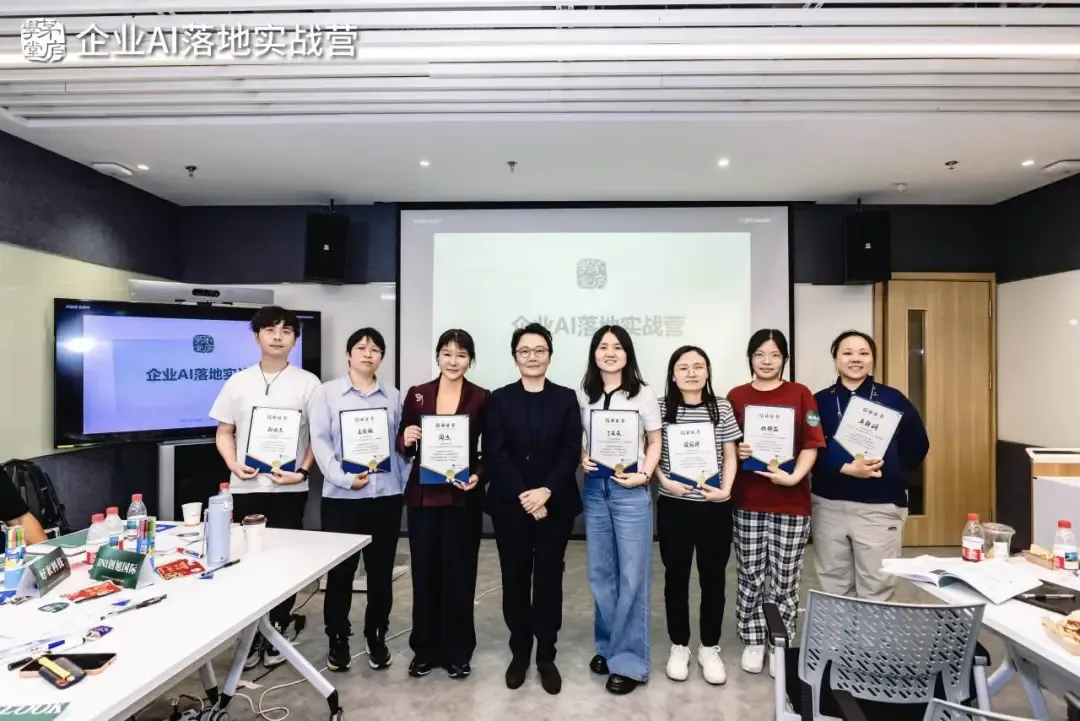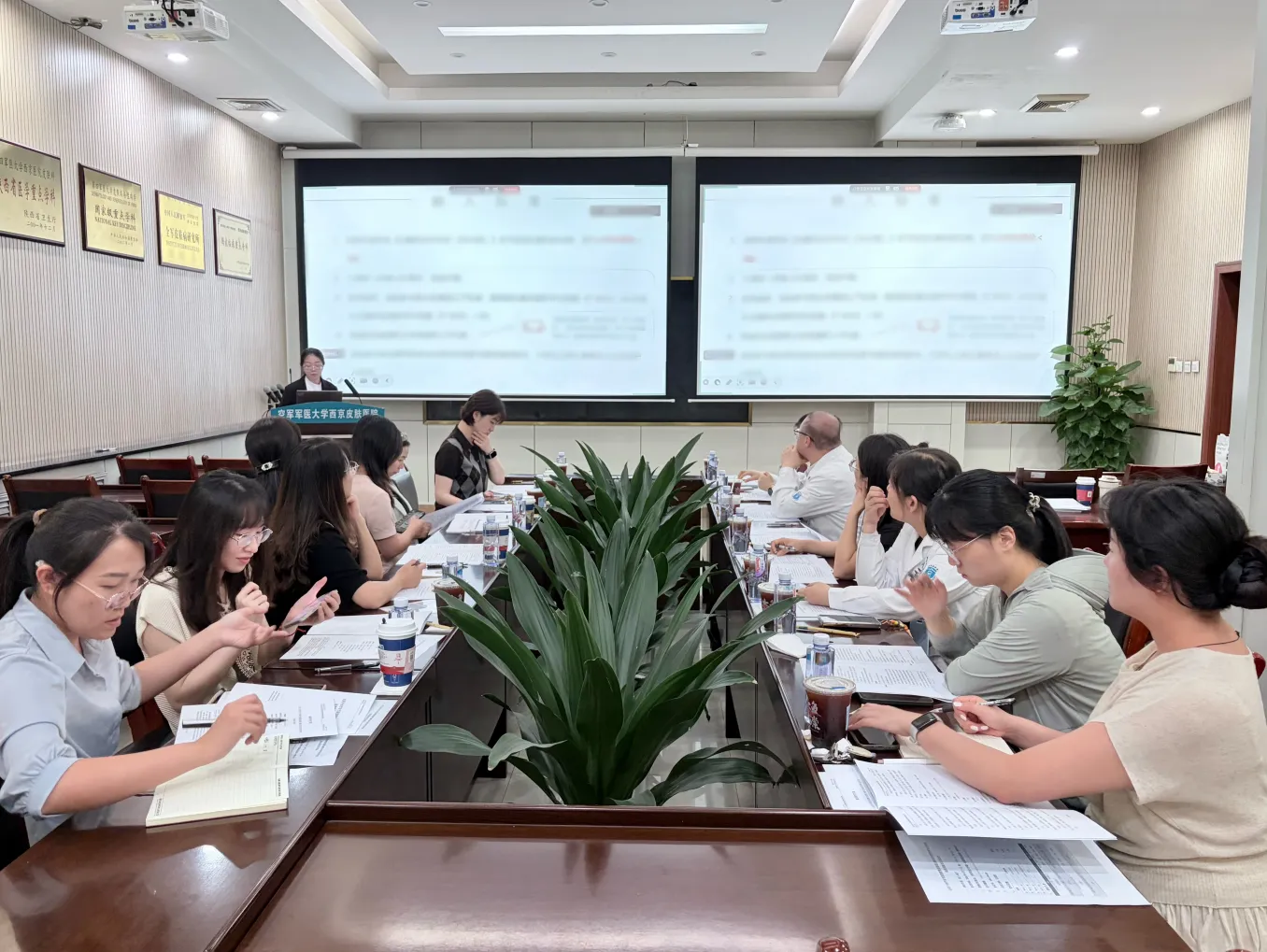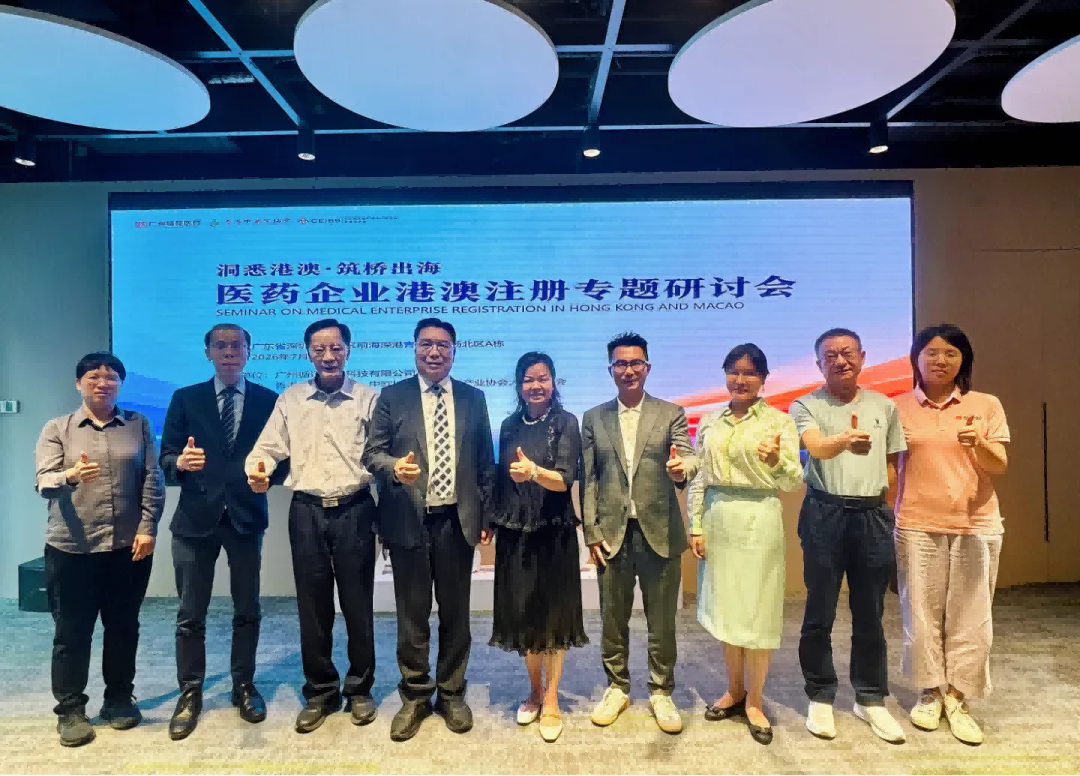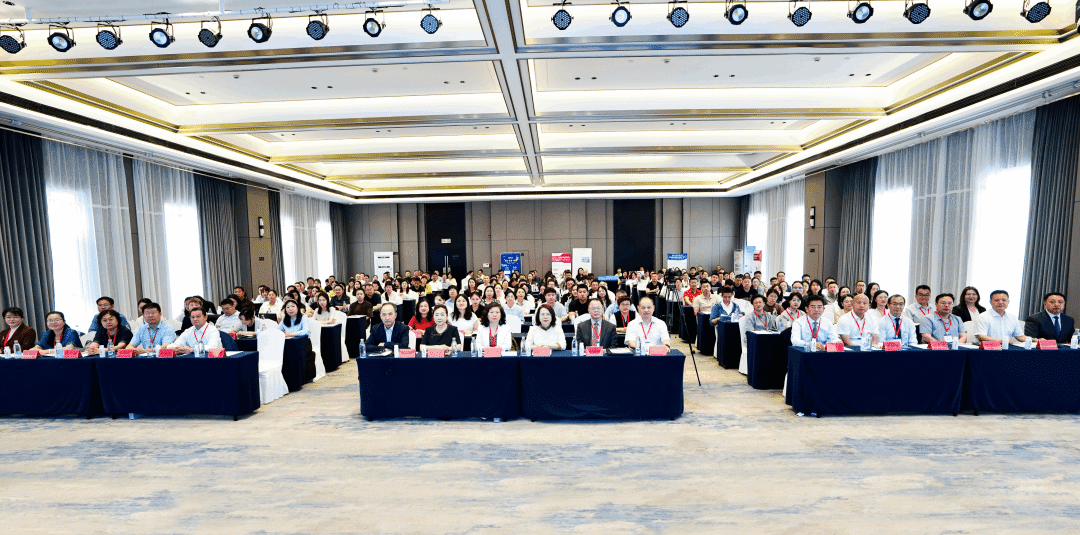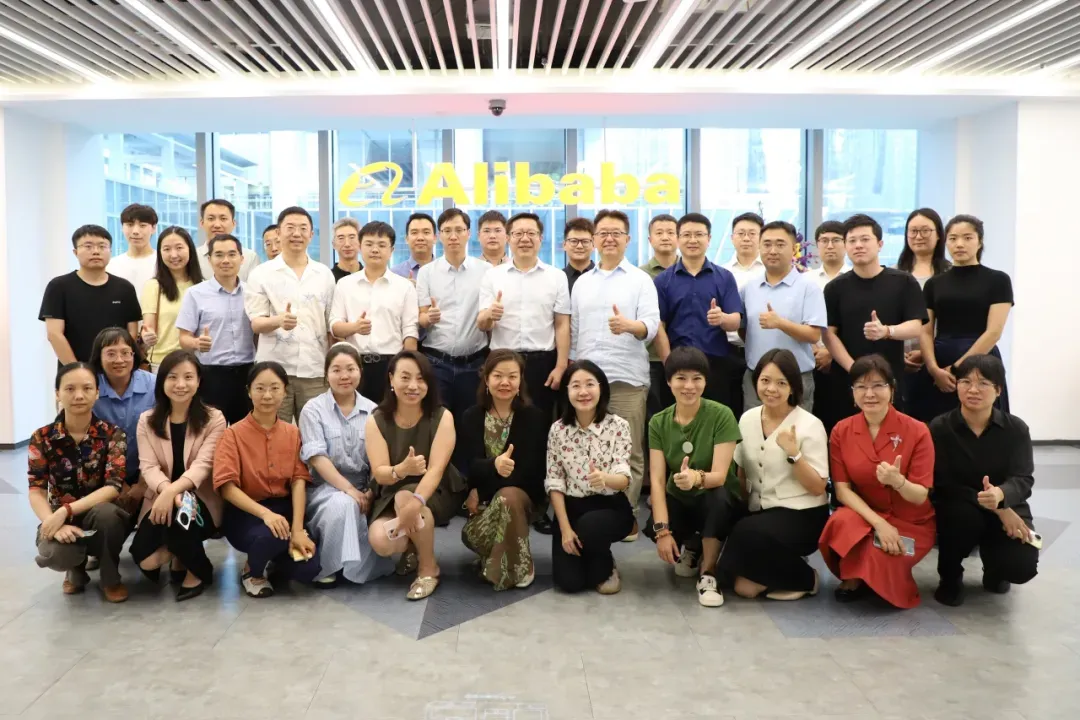
On May 28, Guangzhou Evidence-Based Medicine Technology Co., Ltd. (hereinafter referred to as "Guangzhou EBM"), together with the Greater Bay Area Chapter of the CEIBS Healthcare Industry Association, visited the Alibaba Center in Guangzhou to co-host the "In-Depth Closed-Door Meeting on AI Transformation Implementation for Pharmaceutical Enterprises" in partnership with DingTalk Wukong and Maolu Academy. The event was designed to help healthcare companies break through barriers in compliance, data management, and cross-functional collaboration, enabling a systematic leap from individual productivity enhancement to organizational evolution.
Decision-makers, R&D and sales leaders, multi-level managers, and hands-on practitioners from a wide range of pharmaceutical enterprises—including Kangchen Pharmaceutical, Guangzhou Pharmaceutical Holdings, China Resources Sanjiu, China Traditional Chinese Medicine, Qizheng Tibetan Medicine, Sihuan Pharmaceutical, Jingde Traditional Chinese Medicine, and Ruifeng Biotech—gathered together for a practical dialogue on "AI + Pharmaceuticals."

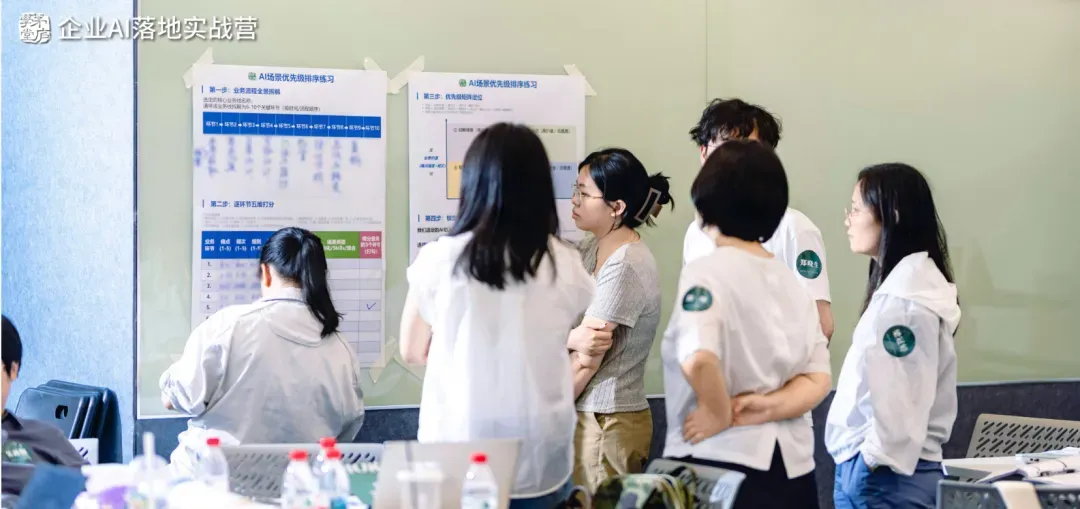
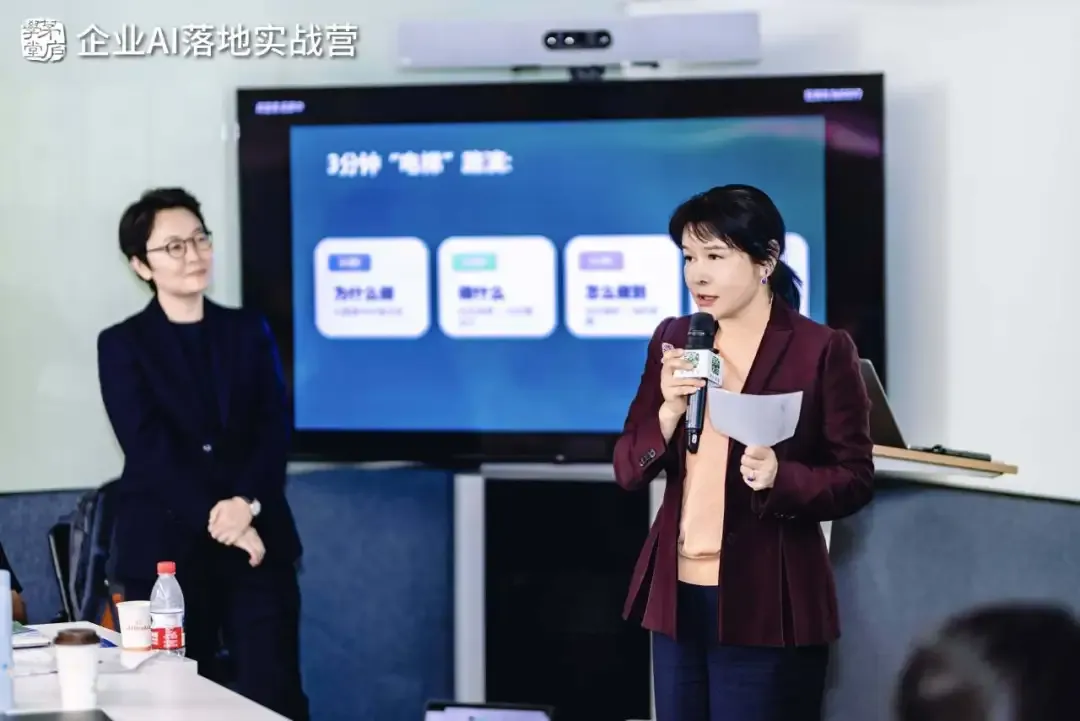
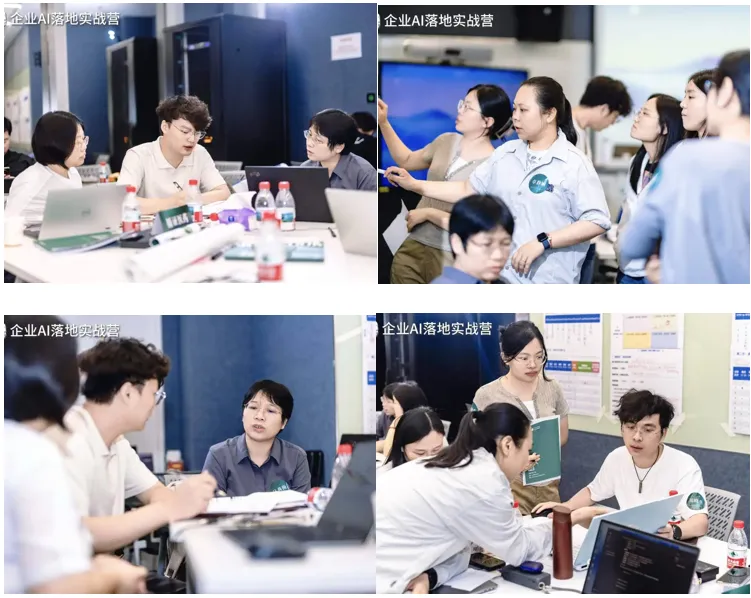
▲ Scene from the In-Depth Closed-Door Meeting on AI Transformation Implementation for Pharmaceutical Enterprises
Industry Pain Points and the Consensus on Transformation: The AI Imperative in Pharma Industry 4.0
The meeting opened with a speech by An Meng, Chairman of the Board of Kangchen Pharmaceutical, who, drawing on his dual role as both industry observer and practitioner, systematically articulated the deep-seated context of digital transformation in the pharmaceutical sector. He pointed out that the pharmaceutical industry is currently at a critical juncture, transitioning from Industry 3.0 to 4.0.
He cited that Pfizer saved US$5.6 billion over two years through AI, Sanofi has announced a full-scale commitment to AI, and 85% of healthcare organizations are increasing their AI budgets in 2026. However, the industry continues to face four major pain points: "lengthy R&D cycles, immense compliance pressure, system silos, and thinning profit margins under centralized procurement."

▲An Meng, Chairman of the Board of Kangchen Pharmaceutical, delivering his address
An Meng emphasized that traditional plug-in AI tools can no longer meet the needs of systematic upgrading. What the industry urgently requires is an AI-native platform capable of deep integration with regulatory review, documentation, and data middle platforms. "True transformation is not about technology procurement—it is about organizational reinvention." He revealed that Kangchen Pharmaceutical has already introduced Alibaba's Wukong platform and is in the early exploration phase, looking forward to this closed-door meeting achieving a closed-loop exchange of "real problems, real cases, real systems, and real methodologies."
Theory of Organizational Evolution: The Essence and Implementation Methodology of Enterprise AI
Luo Yun, a 15-year veteran of Alibaba and co-founder of Maolu Academy, pointed out that while nearly 80% of employees are already using AI to improve efficiency, only 6% of companies have achieved revenue growth—"highly efficient individuals do not equal a highly efficient organization." Enterprise AI is fundamentally different from personal AI: the latter is an "external add-on" for employees, while the former must be the organization's "armor," requiring the construction of security guardrails, the integration of knowledge assets, and embedding into workflows.
She asserted that "the AI tipping point has arrived"—getting started just 3–6 months earlier can create a generational gap of 3–5 years, and the "AI flywheel" of data and usage in a virtuous cycle will continue to widen the competitive advantage. In response to AI anxiety, she stated: "It is not AI that will eliminate companies, but outdated organizational forms and talent structures."

▲Luo Yun, Co-founder of Maolu Academy, delivering her keynote presentation
Addressing the debate over "whether AI will replace human labor," Luo Yun offered a rational response: How can companies seize the tipping point and drive the flywheel? She systematically shared her five-step methodology for enterprise AI transformation:
Step 1: Set Direction
Clarify which battle AI needs to help the company win.
Step 2: Find Entry Points
Identify "high-value, rapid-implementation" scenarios to achieve quick wins.
Step 3: Build the Foundation
Sort out data assets, knowledge and expertise, and permission security—don't wait for perfect data governance before starting AI.
Step 4: Run the Workflows
Redesign human-AI collaborative workflows, decomposing tasks into three categories: "AI-automated, AI-assisted, and human-led," achieving consolidation, advancement, and upgrading.
Step 5: Build the System
Establish the company's own Skill Hub, cultivate AI "translators," develop a culture and mechanisms for human-AI symbiosis, and scale successful experiences across the organization.
These five steps are not a linear progression but a spiraling cycle. The success of each individual scenario feeds back into the next directional choice, driving the leap from personal efficiency to systemic intelligence.
Empirical Evidence of Full-Scenario Implementation: From Yunnan Baiyao to Global Compliance
Liu Xiao, Solutions Expert at Alibaba's Wukong Business Unit, demonstrated the pervasive impact of AI across the entire pharmaceutical value chain—R&D, production, marketing, and compliance—through a series of in-depth case studies from the healthcare sector.

▲Liu Xiao, Solutions Expert at Alibaba Wukong Business Unit, delivering his presentation
Efficiency Gap
In an order processing scenario, AI compressed the work of 50 people over 1.5 hours into just 27 seconds for 2 people, highlighting the competitive moat created by the "efficiency gap."
Global Compliance
Global compliance has emerged as a clear value driver for healthcare AI. Liu Xiao demonstrated how the system automatically aligns with regulatory requirements in regions such as the EU and South America, updating compliance standards in real time and embedding them into business processes—reducing operational risks in overseas expansion while improving efficiency.
Human-Centric Adaptation
Multilingual professional translation capabilities were equally impressive—the system can accurately process English medical literature and clinical reports, and even supports transcription of meeting minutes in dialects such as Teochew, reflecting the human-centric adaptability of the technology.
In addition, Yunnan Baiyao's full-chain digital transformation case attracted significant attention, covering the entire business loop from intelligent diagnosis at planting bases to R&D demand coordination, showcasing the deep integration capabilities of AI-native platforms.
Interactive Exchange: Anxiety, Pragmatism, and Long-Termism
The interactive Q&A session brought out the industry's genuine sentiments. The founder of an established pharmaceutical company candidly shared his "transformation anxiety": traditional R&D cycles span up to 10 years, while AI technology iteration cycles are only 6 months—this pace mismatch creates profound growing pains. Nevertheless, he firmly stated: "Pharmaceuticals require long-termism, but AI must achieve breakthrough acceleration."
Dr. Zhou Jie, General Manager of Guangzhou EBM, shared her company's recent progress in participating in Alibaba's AI pilot projects, demonstrating a pragmatic pathway from "evidence-based diagnosis" to "pilot validation." She noted that by introducing AI tools into specific internal business workflows and conducting rigorous comparative evaluations, they have preliminarily validated significant value in improving evidence-sorting efficiency and decision-support quality.

▲Dr. Zhou Jie, General Manager of Guangzhou EBM, sharing practical AI implementation experience
This closed-door meeting was not merely a technical seminar, but a profound intellectual reconstruction of the pharmaceutical industry paradigm. As a co-organizer, Guangzhou EBM will continue to advocate for a scientific and rational "evidence-based" methodology to drive AI transformation, helping the industry transition from being "experience-driven" to "data- and intelligence-driven." From industry pain point insights to organizational evolution theory, from full-scenario implementation to ecosystem co-creation, a clear "AI + Pharma" transformation pathway has emerged—this is no longer an option, but an imperative for survival and growth.
Amid the tidal wave of the intelligent revolution reshaping the industrial landscape, the dialogue spearheaded by Guangzhou EBM has planted the seeds, awaiting the profound blossoming of the transition from "making pharmaceuticals" to "intelligent pharmaceuticals."

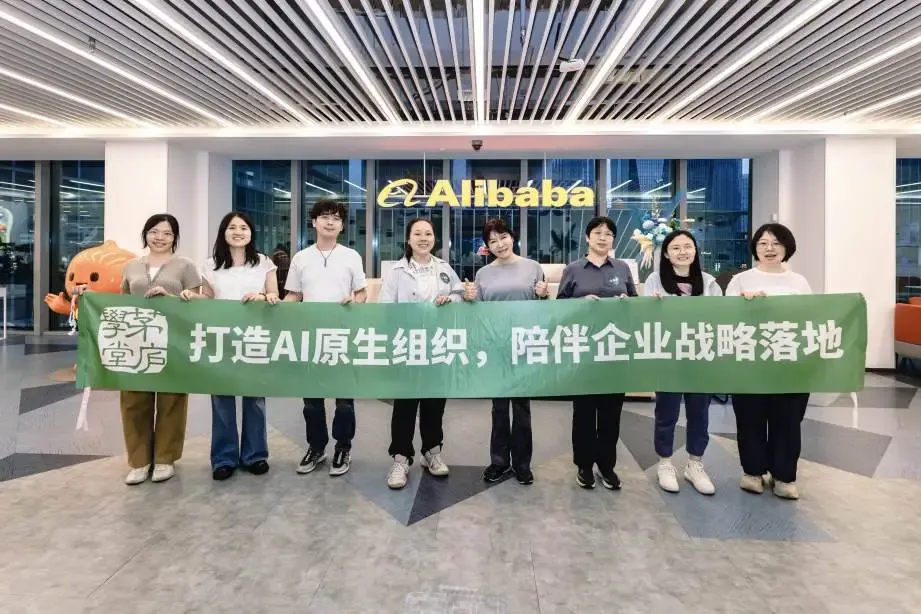
▲Group photo of attendees at the In-Depth Closed-Door Meeting on AI Transformation Implementation for Pharmaceutical Enterprises
With a professional and efficient service system and a comprehensive operational network, Guangzhou Evidence Based Medicine is committed to providing tailored one-stop traditional Chinese medicine research and development full industry chain service solutions for every customer, promoting traditional Chinese medicine to the world and safeguarding the health of more people.